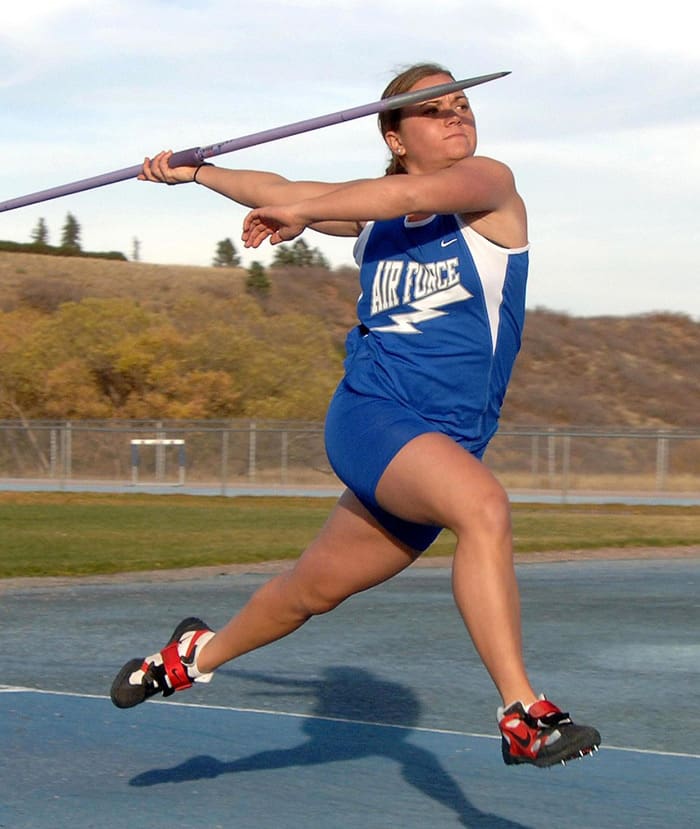
When we refer to throwing as one of the fundamental movements humans need to optimize, we are talking about one of the four core movements that shaped the evolution of our species. It is a fundamental movement skill—not simply an athletic one—that first developed approximately two million years ago.
Many people wonder how they can improve this ability: By throwing balls on a field? Throwing stones into the sea? And if these are athletic activities, is simply repeating them enough to perfect the movement?
As we have discussed in previous articles, such as “Exercise as Medicine,” the quality of movement matters more than quantity. To truly improve throwing ability, we need to integrate the myofascial chains, treating the body as a unified system rather than a collection of isolated parts.
Why Should We Optimize Throwing as a Movement Skill?
According to research by Neil T. Roach, Madhusudhan Venkadesan, Michael J. Rainbow, and Daniel E. Lieberman of Harvard University, published in Nature (2013, Volume 498, pp. 483–486), the human ability to throw with high speed and accuracy is a unique evolutionary characteristic of our species.
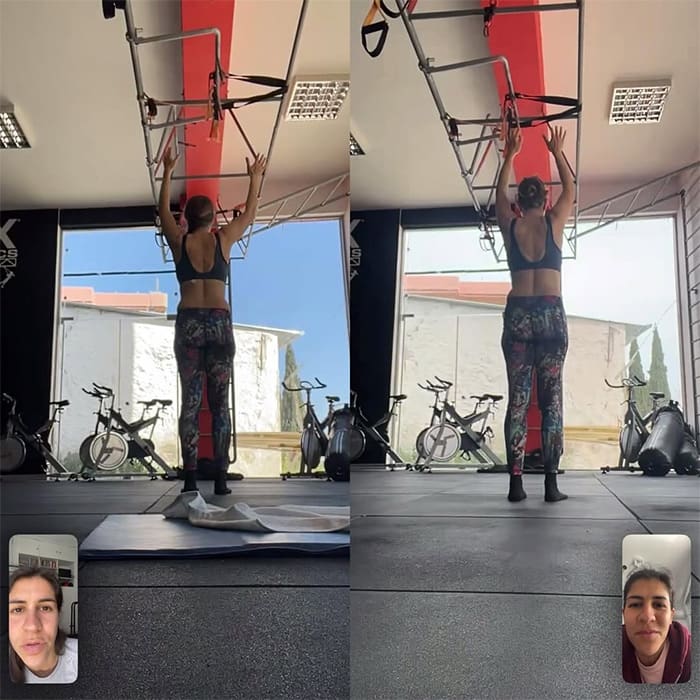
The first and most important reason to optimize this skill is to help prevent injuries and address pain in the shoulder joints. As we discussed in the article “Isolation vs. Integration,” pain in a specific area of the body is a symptom rather than the root cause.
Throwing, as a complex full-body movement, integrates the shoulder joint with the torso and lower body, contributing to:
- Activation and strengthening of the shoulder and core stabilizers
- Reduced risk of injury to the shoulder, elbow, and lower back
- Learning how to transfer energy from the legs and pelvis through to the shoulder and upper limb
The Relationship Between Throwing and Running
Throwing as a movement skill is a natural extension of running. By optimizing running, throwing can also improve. By focusing on techniques that develop both skills and applying protocols such as those used in the Functional Patterns method, we can address movement dysfunctions and restore reduced mobility in the shoulder joints.
CONCLUSION
Optimizing the skill of throwing:
- enhances physical capability,
- protects the joints,
- preserves a movement skill deeply rooted in human evolutionary history.
Sources
- FleisigGS, BarrentineSW, EscamillaRF, AndrewsJR. Biomechanics of overhand throwing with implications for injuries. *Sports Med*. 1996 Jun;21(6):421-37. doi:10.2165/00007256-199621060-00004. PMID: 8784962.
- Chu SK, Jayabalan P, Kibler WB, Press J. The Kinetic Chain Revisited: New Concepts on Throwing Mechanics and Injury. *PM R*. 2016 Mar;8(3 Suppl)\:S69-77. doi:10.1016/j.pmrj.2015.11.015. PMID: 26972269.
- Weber AE, Kontaxis A, O’Brien SJ, Bedi A. The biomechanics of throwing: simplified and cogent. *Sports Med Arthrosc Rev*. 2014 Jun;22(2):72-9. doi:10.1097/JSA.0000000000000019. PMID: 24787720.
- Roach NT, Venkadesan M, Rainbow MJ, Lieberman DE. Elastic energy storage in the shoulder and the evolution of high-speed throwing in *Homo*. *Nature*. 2013;498(7455):483–486. [https://doi.org/10.1038/nature12267]